


Introduction
Many reward systems in crypto struggle with one major problem: passive farming. People hold tokens, collect rewards, and contribute little or nothing to the ecosystem itself. Over time, this usually weakens sustainability because rewards are constantly leaving the system without enough activity replacing them.
The Wurk Vault introduces a different approach.
Instead of rewarding holders only for owning tokens, the updated Wurk ecosystem now connects rewards directly to platform participation. This creates a stronger relationship between users, jobs, token holders, and ecosystem growth.
After the March update, the vault moved from passive distribution toward activity-based rewards, and this changed the dynamics of the ecosystem significantly.
In this article, I will explain how the Wurk Vault works, why the March update matters, and why this reward structure may create a healthier long-term ecosystem.
What Is the Wurk Vault?
The Wurk Vault is a reward distribution system connected to activity inside the Wurk.fun ecosystem.
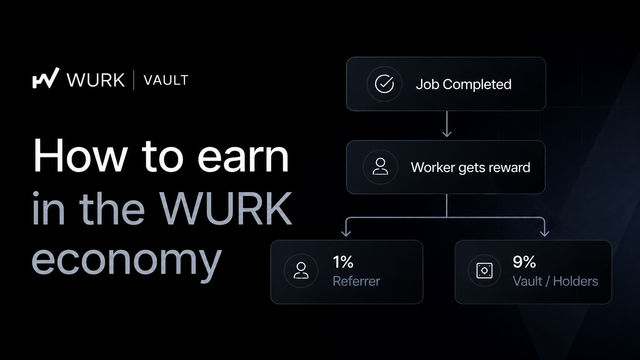
The platform itself revolves around microjobs, tasks, community participation, and creator-driven work opportunities. As users complete jobs and interact with the platform, part of the ecosystem value flows back into the vault.
The vault then distributes rewards to eligible holders.
This creates a cycle where:
- Platform activity generates ecosystem value
- Value contributes to the vault
- The vault rewards active participants
- Rewards encourage more activity
- Increased activity strengthens the ecosystem further
This model is important because it connects platform growth with token utility instead of relying purely on speculation.
How Vault Rewards Work
To become eligible for vault rewards, users need:
- At least 100k WURK tokens
- Active participation on the platform
Before March, simply holding 100k+ WURK tokens was enough to receive rewards.
However, this created a situation where many passive holders collected rewards without contributing activity back into the ecosystem.
The March update changed this completely.
Now, rewards are distributed only to users who both:
- Hold enough WURK tokens
- Remain active on the platform
This adjustment changed the reward system from passive farming into participation-based earning.
Why the March Update Was Important
The March update may be one of the most important structural improvements in the Wurk ecosystem.
Before the update:
- Rewards were spread across many inactive wallets
- Passive holders diluted the reward pool
- Active contributors received smaller distributions
After the update:
- Inactive wallets stopped receiving rewards
- Rewards became concentrated among active ecosystem users
- Active users started earning significantly larger rewards
This creates better alignment between contribution and reward.
Instead of rewarding inactivity, the system now prioritizes users helping the platform grow through:
- completing jobs
- creating content
- participating in campaigns
- driving ecosystem engagement
In many ways, this resembles how real businesses reward productive contributors instead of inactive shareholders.
How Microjob Activity Fuels the Ecosystem
One interesting aspect of Wurk.fun is how platform activity helps support the vault itself.
Every completed task, creator campaign, or user interaction contributes to ecosystem movement and growth. As platform usage increases, the vault potentially becomes stronger over time.
This creates a circular ecosystem:
- Creators launch campaigns
- Users complete jobs
- Platform activity grows
- Ecosystem value increases
- The vault becomes healthier
Active users receive larger rewards
The model rewards both participation and loyalty simultaneously.
That combination is relatively uncommon in many crypto ecosystems, where users often choose between farming rewards or actually using the platform.
Wurk attempts to combine both.
Why Rewarding Active Users May Be More Sustainable
From an ecosystem perspective, rewarding active users instead of passive holders solves several long-term problems.
- Reduces Passive Farming
Passive farming often creates unnecessary sell pressure because users collect rewards without contributing any ecosystem value.
By requiring activity, Wurk encourages participation instead of extraction.
- Encourages Ecosystem Growth
Users now have a reason to stay engaged with the platform rather than simply holding tokens and disappearing.
This may improve:
- retention
- community strength
- creator participation
- overall platform growth
- Better Reward Efficiency
Because fewer inactive wallets receive distributions, rewards become larger for real contributors.
This makes participation feel more meaningful and potentially increases loyalty among active users.
- Creates Utility Beyond Speculation
Many crypto tokens rely mainly on hype.
WURK attempts to connect token ownership with actual ecosystem utility and platform engagement, which may create a more durable system over time.
Transparency and Trust
Another strong aspect of the system is transparency.
Users can analyze vault history, wallet activity, and distribution behavior directly through the platform tools. This makes it easier to evaluate:
- reward consistency
- wallet performance
- historical distributions
- participation impact
Transparent analytics help reduce uncertainty and build user trust, especially in ecosystems involving token rewards.
Personal Analysis
Personally, I think the most interesting part of the Wurk ecosystem is the alignment between activity and rewards.
Many platforms struggle because they reward holding more than contribution. Eventually, this weakens growth because the most rewarded users are not necessarily helping the ecosystem expand.
The Wurk Vault appears to move in the opposite direction.
By rewarding active holders instead of all holders equally, the platform creates stronger incentives for participation, ecosystem engagement, and long-term activity.
The March update especially seems important because it shifted the reward structure toward productivity rather than passive extraction.
If platform activity continues growing, this model could become significantly stronger over time because the reward system is tied directly to ecosystem participation.
That alignment between users, creators, jobs, and holders is what makes the system interesting.
Conclusion
The Wurk Vault is more than just a reward pool.
It is an ecosystem mechanism designed to connect:
- platform activity
- token holding
- participation
- and reward distribution
The March update strengthened this system by prioritizing active contributors over passive holders.
As a result, rewards became more concentrated, participation became more valuable, and the ecosystem structure became healthier overall.
Whether this model succeeds long term will depend on continued platform growth and active community engagement, but the shift toward rewarding participation instead of inactivity is a strong step toward sustainability.
In a space filled with passive farming systems, Wurk.fun is experimenting with a more activity-driven ecosystem model — and that makes it worth paying attention to.





Latest comments
0