
n move very fast. A new token can suddenly appear on X, Telegram, or a DEX and promise huge returns.
But a good-looking chart does not mean a token is safe.
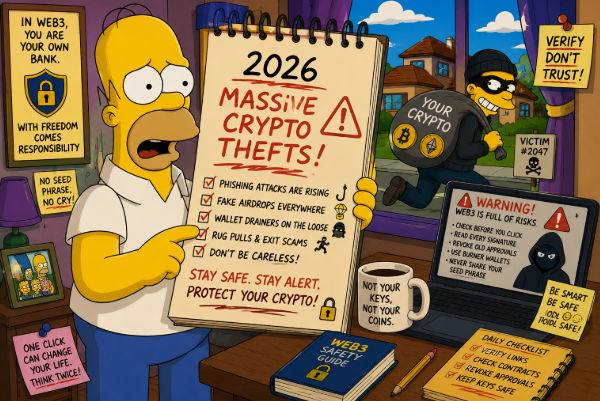
Before buying a new meme coin, I like to spend a few minutes checking the token and its contract. This simple checklist can help you spot common red flags such as honeypots, rug pulls, and tokens controlled by a small number of wallets.
This is not a guarantee that a coin is safe. It is simply a way to reduce unnecessary risk.
1. Check the Contract Address
Never choose a token only because of its name or ticker.
Scammers can create a token with the same name and symbol as a popular project. The contract address is what identifies the actual token.
Before buying, copy the contract address and check it on the appropriate blockchain explorer, such as Etherscan, BscScan, or another trusted explorer.
My rule: If I cannot verify the contract address from a reliable source, I don't buy.
2. Check If You Can Actually Sell
One of the biggest dangers is a honeypot.
A honeypot may allow you to buy the token but prevent you from selling it later. Some contracts can also apply extremely high selling fees.
So don't look only at the number of buys.
If you see many buys but almost no sells, that can be a warning sign. You should investigate further before putting money into the token.
3. Look at the Top Holders
Next, I check how the tokens are distributed.
If one wallet or a small group of wallets controls a very large percentage of the supply, the risk can be much higher.
Why?
Because a large holder can sell a huge amount of tokens and cause the price to crash.
A few large wallets are not automatically proof of a scam. Some may belong to exchanges, liquidity pools, or other legitimate addresses.
The important thing is to understand who owns the supply.
4. Check the Liquidity
Liquidity is another important thing to check.
If a project has very little liquidity, even a relatively small sell can cause a large price movement.
More importantly, ask:
Can the developer or another wallet remove the liquidity?
Unlocked liquidity can create a serious rug-pull risk. A rug pull happens when the people behind a project remove liquidity or sell their holdings, leaving other buyers with a token that may become nearly worthless.
Remember: locked liquidity is a positive signal, but it does not automatically make a project safe.
5. Check the Contract Permissions
If the contract is verified, look at what the owner or developer can do.
Be careful with permissions that allow the owner to:
- Mint large amounts of new tokens
- Freeze or block certain wallets
- Change trading rules
- Change transaction fees
- Restrict selling
- Control important contract functions
These permissions don't automatically mean the project is a scam, but they can create additional risks.
If I don't understand what the contract owner can control, I prefer to stay away.
6. Don't Trust the Hype
A meme coin can have thousands of followers and still be risky.
Be careful when you see messages like:
"100x guaranteed!"
"Buy now before it's too late!"
"Next DOGE!"
Social media hype is not proof of legitimacy.
I try to separate the marketing from the actual on-chain information. The contract, holders, liquidity, and trading activity are much more useful than a screenshot showing someone's profit.
7. Use More Than One Check
There is no single website or tool that can guarantee a token is legitimate.
I prefer to combine several checks:
Contract → Sellability → Holders → Liquidity → Permissions → Social signals
If several things look suspicious at the same time, that's a strong reason to walk away.
My Simple 5-Minute Checklist
Before buying a new meme coin, I ask myself:
☐ Do I have the correct contract address?
☐ Can the token actually be sold?
☐ Are the top holders too concentrated?
☐ Is the liquidity large enough and reasonably protected?
☐ Can the contract owner change important rules?
☐ Am I buying because of research or just because of hype?
If I find several red flags, I don't try to convince myself that the coin will "probably be fine."
I simply skip it.
Final Thoughts
Meme coins can be fun to explore, but they are also extremely risky.
The biggest lesson for me is simple:
Don't buy first and investigate later. Investigate first and decide whether to buy.
A few minutes of checking the contract and on-chain data can help you avoid some very obvious traps.
And remember: passing a few checks does not mean a token is guaranteed to be safe. There is always risk in buying a new or speculative cryptocurrency.
Do your own research and never risk money you cannot afford to lose.



Latest comments
0